 Home
HomeAll Hacks
Zetec Engine
SPI Engine
General
Suspension
Interior
Exterior
In-Car-Entertainment
Detailing and Cleaning
Maintenance
Miscellaneous

Latest FocusHacks News:
FocusHacks mobile site
If you're browsing the site with Android or iOS, several parts of the site might prompt you to load the mobile version. I've given this version of the site some more responsive features and tried to make parts of the site easier to read on mobile devices.
The mobile navigation is handled via a toggle-menu that pops out at the top of each page. This should make room for the text and graphics on smaller displays. As always, let me know if something isn't working right.
In a few days, I'll probably set up automatic redirects for mobile browsers.
Web redirects
On a personal note, I prefer not using the www prefix when possible, however given that most search engines have indexed the site mostly as www.focushacks.com, I went with that host name instead.
Both names should still work, but you'll be redirected if you try to visit most parts of this site without the www prefix.Unplanned server migration
Ford Focus ECU fuzzing at DEFCON 23 Car Hacking Village
Pardon our dust
MkIII Steering wheel trim problem
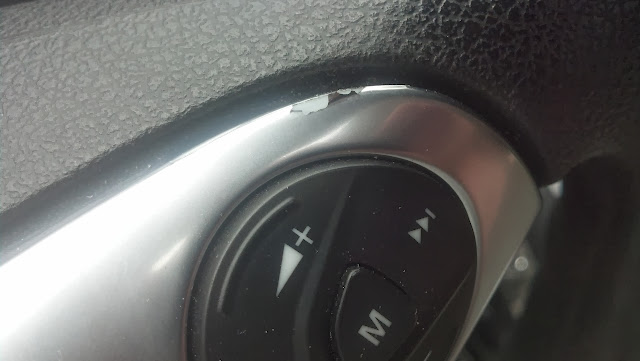
The fix isn't perfect, but it's easy, and keeps the damage from spreading further.
FSWerks ECU Tuning for Ti-VCT coming soon?

... it has begun! FSWerks has already been tuning the new Focus ST, but yesterday via Facebook, they announced that they're in search of volunteers in the Anaheim area with stock or lightly modded MkIII Foci with the Ti-VCT engine. That's awesome news for us. My 2000 ZX3 is not heavily modified, but having FSWerks tune my ECU was the best bang for the buck out of all the things I've done. Not only did it seem to awaken the beast within, but I also see significant fuel economy improvements when I drive it gently and keep it full of premium fuel.
I'm very interested to see what the talented guys at FSWerks can pull off with premium fuel on an otherwise stock Focus. The owner's manual states that Premium fuel (read: 91 or 92 octane) "... will provide improved performance" and in my experience, it barely lives up to that. I had also expected an improvement in fuel economy with normal driving, which never really happened while I experimented with a few tanks of various fuel grades.
Personally, I'd also like to see what kind of sorcery they can work on the non-SelectShift version of the PowerShift DCT6, specifically when it shifts related to throttle position. As I'd mentioned previously, I wouldn't be too torn up if FSWerks could somehow make stability control go bye-bye with an ECU tune.
Website Maintenance, March 2013
In Focus: Torque Vectoring and Stability Control
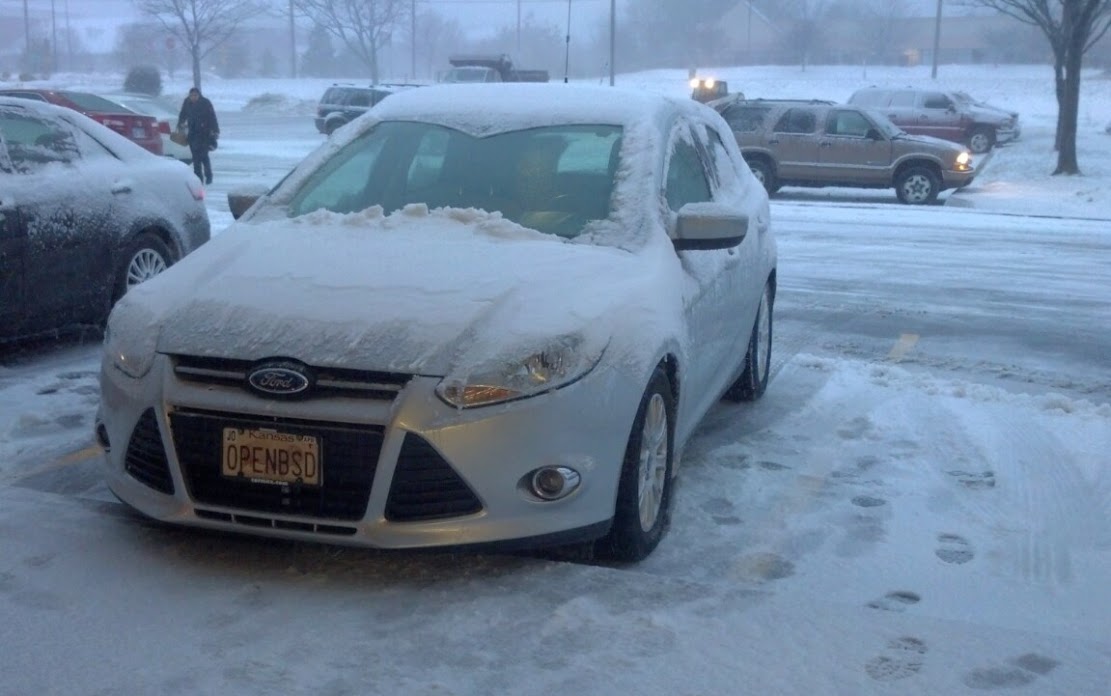
All MkIII Foci come with AdvanceTrac®, Ford's Anti-Lock Braking and Electronic Stability Control system. They also come with traction control and torque vectoring. I wanted to wait to write about all these traction-enhancing goodies until after I had a chance to properly test them in one of my favorite environments. I got that chance this morning.
Traction Control
Traction control will override the throttle when the drive wheels lose their grip while accelerating. On dry pavement, my Focus can't break the traction in a straight line, but on wet pavement, snow and ice, it really shines. It's still possible to get stuck in a situation where you can't take off from a stop on ice and snow, such as on an uphill, though. Traction Control can be disabled in the dashboard menu, under Settings > Driver Assist.
Anti-Lock Brakes
Everyone knows what anti-lock brakes are, I think. If a wheel locks up while braking, ABS will quickly pulse the brake on that wheel. This is safer, more effective and stops quicker than a person can stop trying to modulate and pump brakes without ABS. ABS can control each brake independently, while a driver is left to modulate all four brakes at once. ABS is at the heart of AdvanceTrac® Electronic Stability Control and Torque Vectoring.Torque Vectoring
Torque vectoring will modulate the brake on a drive wheel if only one of them is losing traction. This typically happens during hard acceleration and hard cornering (understeer). It can also minimize the sensation that the car's trying to pull to one side or the other when you really get on it. While it's not as efficient as a real limited slip differencial, it does a satisfactory job emulating the same functionality: transferring the engine's torque to the wheel with the most traction. It works hand in hand with the traction control feature to improve acceleration and cornering performance.
Electronic Stability Control
Electronic Stability Control actively applies brakes independently if the system senses oversteer, understeer or loss of control that can't be countered by Torque Vectoring or Traction Control. The driver is most likely to notice this while cornering on surfaces with reduced traction, or while aggressively cornering under normal conditions. The brakes engage even when the driver is not depressing the brake pedal, and the car is noticeably slowed and stabilized. If you begin to enter a sideways skid, for example, the front inside and rear outside brakes will be modulated, and the car will right itself within the limits of traction available to the braking system. There is no performance gain from this system. It is only there to correct a condition where the car's traction limits have been exceeded due to road conditions, evasive maneuvering or a driver simply expecting too much of the car through a corner.